


Sleep Tips for Babies, Toddlers & Kids


Safe Sleep for Newborns: SIDS Risk, Pacifiers & Sleep Setup
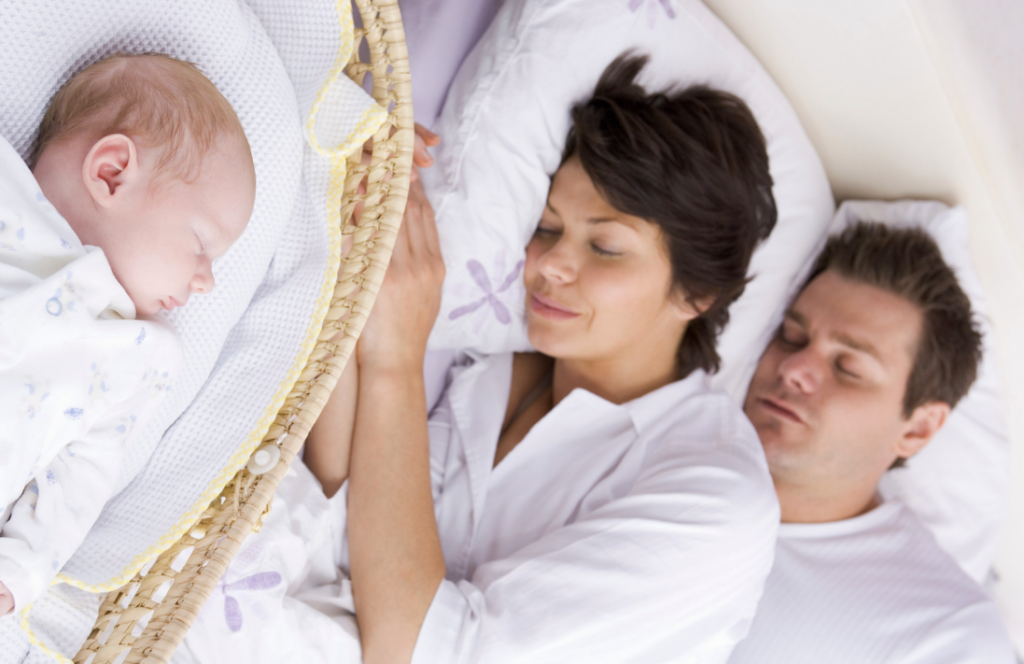
You’ve heard “back to sleep.” You know the bassinet is supposed to be empty. Then it’s 3 a.m. Your newborn has finally fallen asleep on you, and the safe sleep advice from your pediatrician’s office suddenly feels a lot harder to follow.
Should I move them now? Does the pacifier need to stay in? What if they hate the bassinet?
For SIDS Awareness Month, let’s talk about safe sleep where it actually happens: in your home, with a real baby, while you’re tired.
First, a distinction worth knowing: SIDS is one type of sudden unexpected infant death. Other sleep-related deaths may involve suffocation or entrapment. Safe sleep practices reduce risk, but no routine or product can eliminate it entirely. The American Academy of Pediatrics’ safe sleep guide is a helpful reference to save and share with anyone who cares for your baby.
“My baby settles better on their side or stomach. Why does back sleeping matter?”
Place your baby on their back for every sleep, including naps. Side sleeping isn’t a safe compromise: a baby can roll from their side onto their stomach. Consistency matters with every caregiver, too. A baby who usually sleeps on their back may be at particularly high risk when someone places them on their stomach “just for this nap.” The NIH’s Safe to Sleep explanation of back sleeping addresses several of the questions parents and grandparents commonly ask.
If spit-up or reflux makes you worry about back sleeping, bring that concern to your pediatrician. Don’t reach for a wedge or inclined sleeper as a workaround; those products introduce hazards of their own.
“Does the bassinet really need to be empty?”
Yes. A firm, flat mattress with a fitted sheet may look stark next to the nursery photos you saved, but it gives your baby a clear sleep space. Pillows, loose blankets, stuffed animals, bumpers, and other soft items can obstruct a baby’s breathing or create places where they become trapped.
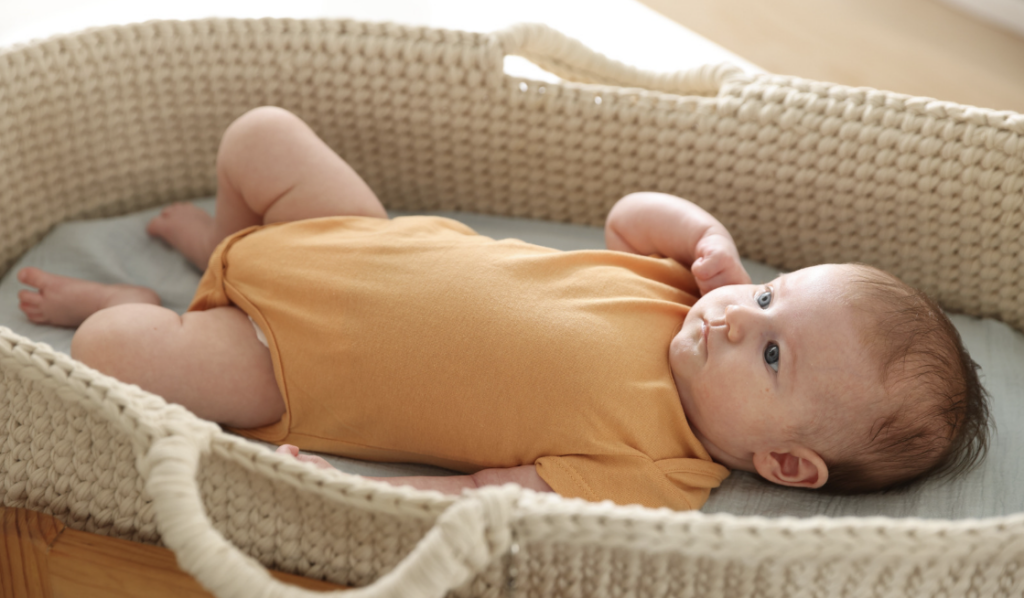
If warmth is the concern, use clothing or a non weighted wearable blanket appropriate for the room instead of adding a loose blanket. Watch for sweating, flushed skin, or a hot chest as signs your baby may be too warm. The NIH’s safe sleep environment guide is useful when you’re deciding what belongs in—or out of—the sleep space.
“Why keep the bassinet in our room?”
The American Academy of Pediatrics recommends that babies sleep in their parents’ room, on their own separate sleep surface, for at least the first six months. Room sharing makes it easier to feed and respond to your baby, and it’s associated with a lower risk of SIDS. Bed sharing carries different risks and isn’t recommended by the AAP.
The practical question to answer before your baby arrives is: What’s our plan for overnight feeds when we can barely keep our eyes open?
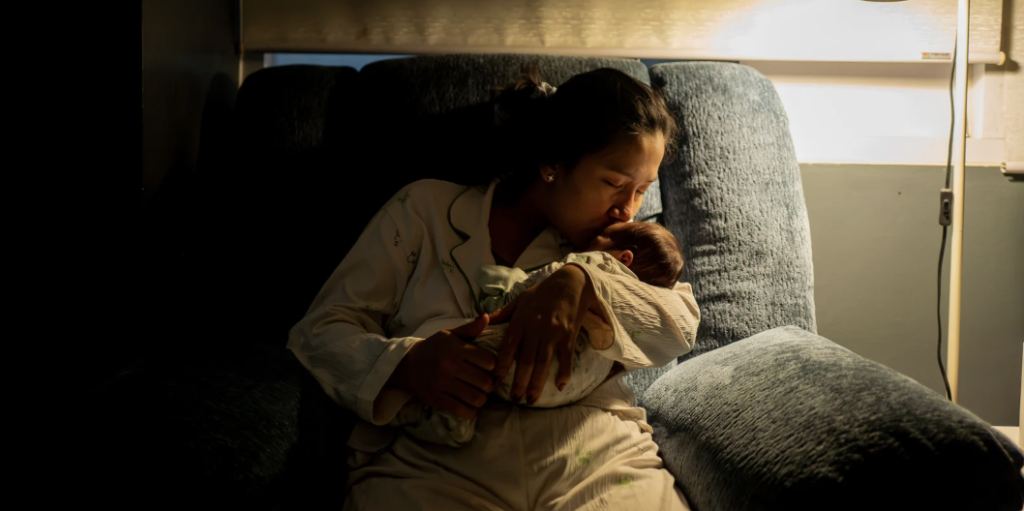
AVOID DOING THIS
Set up a safe bassinet, crib, or play yard close to your bed. If you bring your baby into bed to feed or comfort them, return them to their own sleep space before you go back to sleep. If you think you might fall asleep during a feed, clear pillows, blankets, and other soft items away from the baby beforehand, and move them back as soon as you wake. Avoid feeding on a couch or soft armchair if you might doze off; falling asleep with a baby there is especially dangerous. The AAP offers more detailed guidance for these overnight moments.
Planning for exhaustion isn’t admitting defeat. It’s recognizing what newborn nights are like.
“Why Pacifiers Are Included in Safe Sleep Recommendations”
This is where I think parents deserve the whole answer.
Offering a pacifier when you put your baby down for naps and bedtime is part of the safe sleep recommendations. Studies have found an association between pacifier use at sleep time and a lower risk of SIDS. Researchers have explored possible explanations, including whether pacifiers affect how easily a baby arouses, but we still don’t know exactly why the association exists. I wouldn’t tell you that sucking has been proven to keep babies out of deep sleep or prevent them from moving into an unsafe position. That hasn’t been established.
I also won’t pretend pacifiers are effortless from a sleep standpoint. Some babies take one, let it fall out, and sleep on. Others may begin wanting a parent to replace it each time they wake. That can become exhausting, and it’s a pattern I discuss honestly with families.
Here’s what the guidance says: Offer the pacifier at the start of sleep; you don’t need to put it back if it falls out after your baby is asleep. Don’t force it if your baby doesn’t want it. If you’re directly breastfeeding, wait until breastfeeding is well established before introducing one. For sleep, leave off clips, strings, blankets, and attached toys. You can read the full AAP pacifier recommendations here.
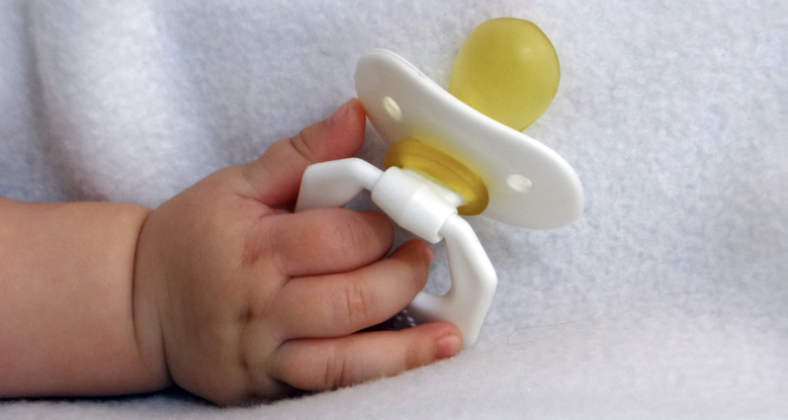
My job is to give you both the safe sleep recommendation and an honest picture of how a pacifier might affect your baby’s sleep. Then we can talk through what’s happening in your home and the decision you want to make.
“What about swaddles and products that promise safer sleep?”
Swaddling can help some newborns settle, but it does not reduce SIDS risk. Always put a swaddled baby down on their back, and stop swaddling as soon as they show signs of trying to roll. Avoid weighted swaddles and weighted sleep products.
Be cautious with positioners, inclined products, and monitors marketed around SIDS prevention. No product prevents SIDS, and a monitor cannot make an unsafe sleep setup safe. The AAP’s guide to infant products to avoid is worth checking before you buy something for the nursery or add it to your registry.
Start with a setup you can repeat tonight
You don’t have to make your baby enjoy the bassinet on day one. You can have their safe sleep space ready, decide how you’ll handle overnight feeds, and make sure everyone who puts your baby down knows that naps follow the same guidelines as nighttime sleep.
And you can still respond to your baby. Pick them up. Feed them. Comfort them. Then, when it’s time for sleep, place them on their back in their own clear sleep space.
If you’re expecting or already in the thick of newborn nights, I can help you build a realistic sleep routine around your baby and your family while you follow your pediatrician’s safe sleep guidance.

Sleep Science

Client Spotlight

Baby Sleep Tips
Explore The Blog

Toddler Sleep Tips

